
An AI roadmap for small and mid-sized businesses
AI adoption does not have to mean a data science team. A practical sequence from clean data to your first useful AI agent.
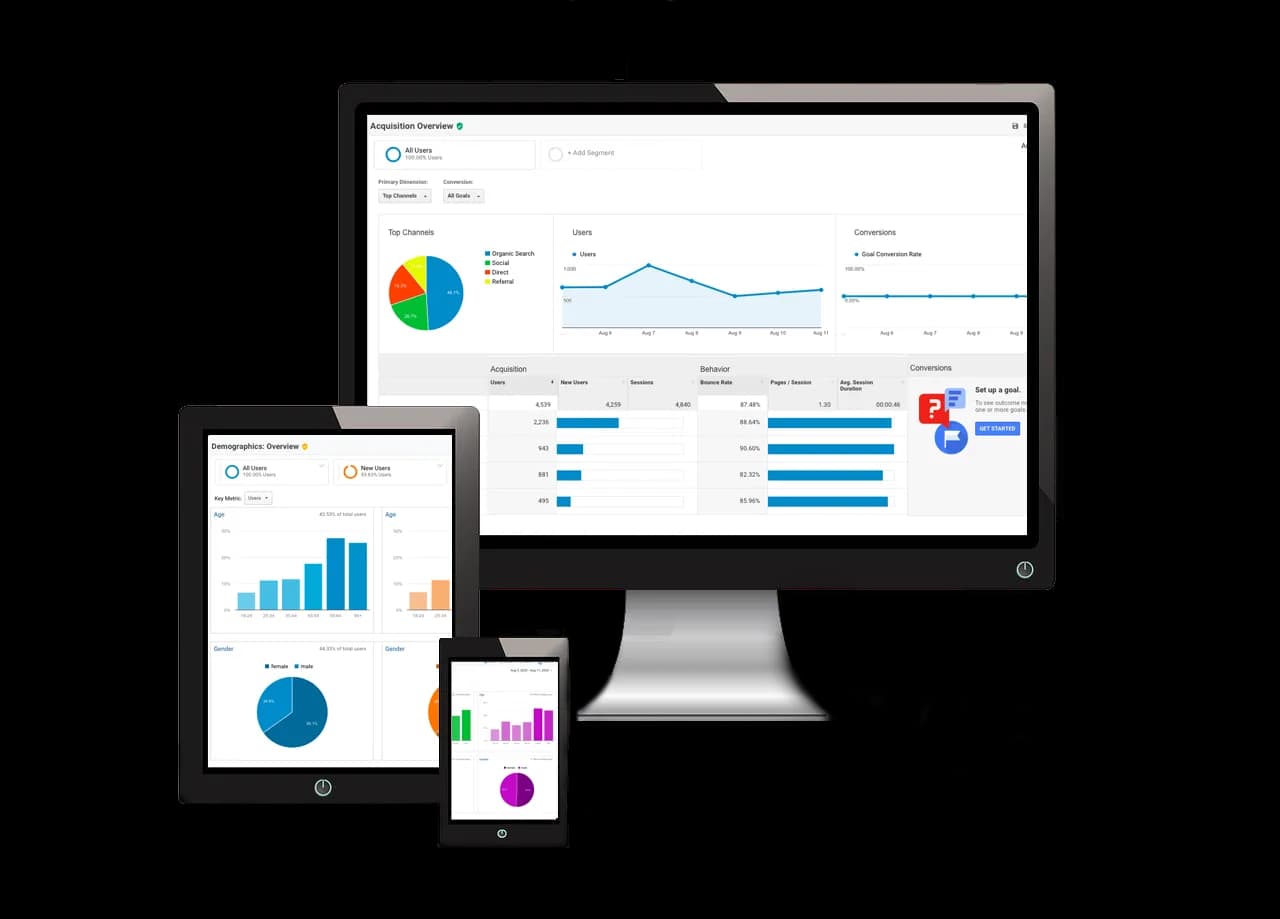
Step one: get your data in order
AI tools are only as good as the data behind them. Before anything else, consolidate your key data sources, fix the obvious quality issues and agree on definitions. This is the same groundwork a good BI project needs, so it pays off twice.
Step two: pick a narrow, valuable use case
Document classification, drafting customer responses, summarising meeting notes, forecasting demand. Choose one where a mistake is cheap and a win is visible.
Step three: use Copilot and the Power Platform first
Microsoft Copilot, AI Builder and Power Automate let you add AI to existing processes without custom development. Prove value here before considering bespoke models.
Step four: put governance in place early
Decide who can use which tools with which data, and how outputs are checked. Responsible adoption is faster adoption, because it removes the fear that slows everything down.
Step five: build your first agent
Once a process is well understood and the data is reliable, an AI agent that handles the routine cases and escalates the exceptions is a realistic next step. Our Creating AI Agents workshop walks through exactly this.